Saltar al contenido

German beer

first half

  • por

Ah, Hofbräuhaus, I remember you! Long tables, loud tuba, feverish enjoyment everywhere. Apparently once banned to women, although because service was only for the seated nobody would get up even to pee. They peed, of course, but not in a contained location, and certainly not maintaining a friendly environment for long skirts. Now Hofbräu Oktoberfestbier can be found at any of their restaurants, they have something of a franchise, but I believe I was told that was their original beer hall, or least the oldest one in operation.
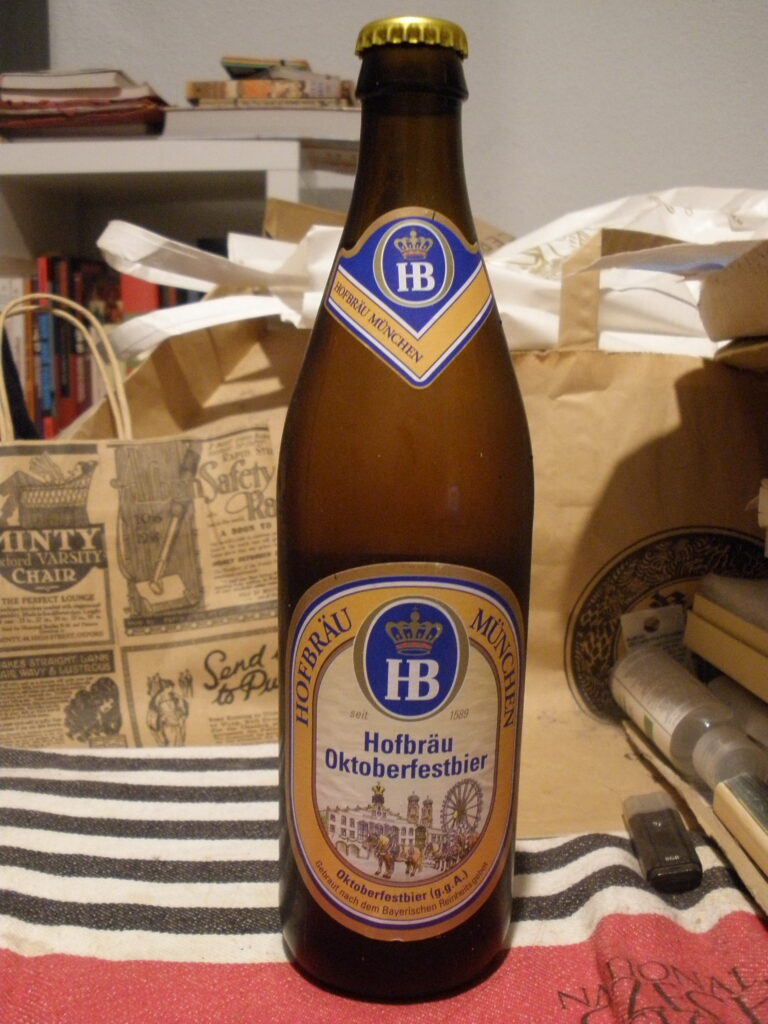
Well-headed and bubbly, but not quite as lively as its brethren. Bright gold and clear as day, and with a little tang to the aroma. The taste is much fuzzier than the other beers too, although not overly strong – there’s some pretty clear malt and a little clean grain, but the feel is heavy and oddly powdery for the appearance. A kind of sour lining comes out over the tongue after a while, which would leave your palate feeling cleansed if the feel wasn’t as heavy. The flavor is delicate and well-balanced, but the texture is definitely robust. This beer is a whole drink in itself, demanding and center stage, which is probably what a festbier should aspire to be. In comparison with Hacker-Pschorr’s märzen, I prefer the märzen, but that’s definitely my personal preferences coming out. If anybody made an Oktoberfest stout, that would be my favorite out of principle.
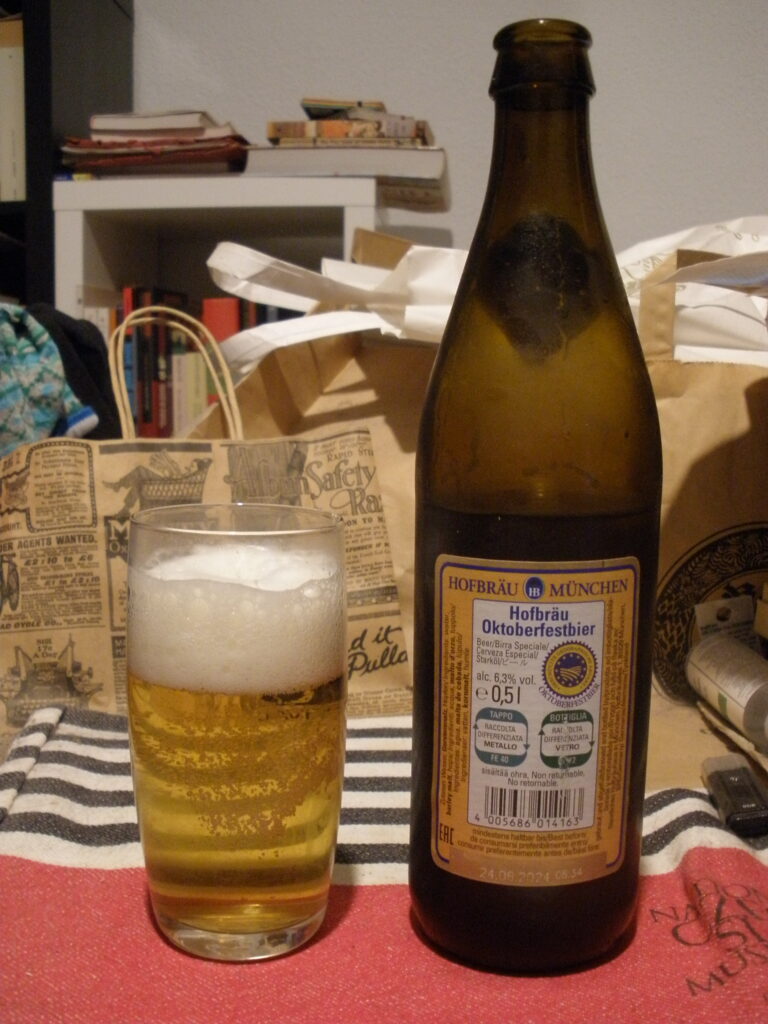
Supplier: Más Que Cervezas
Price: €2.60
they can hack it

  • por

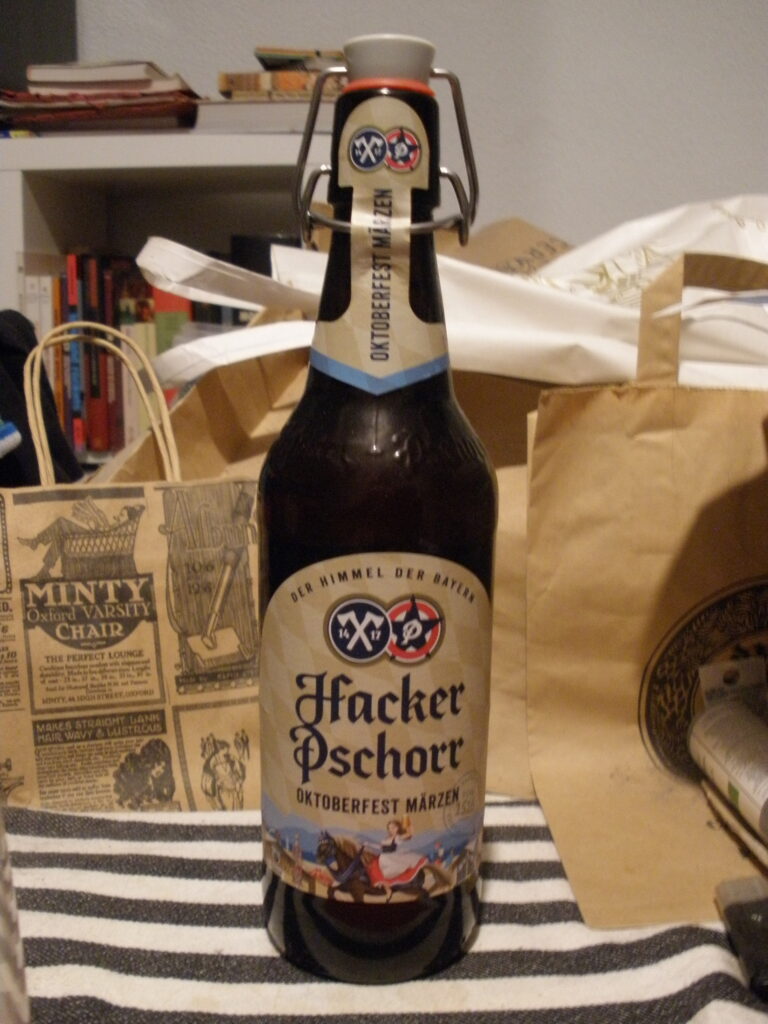
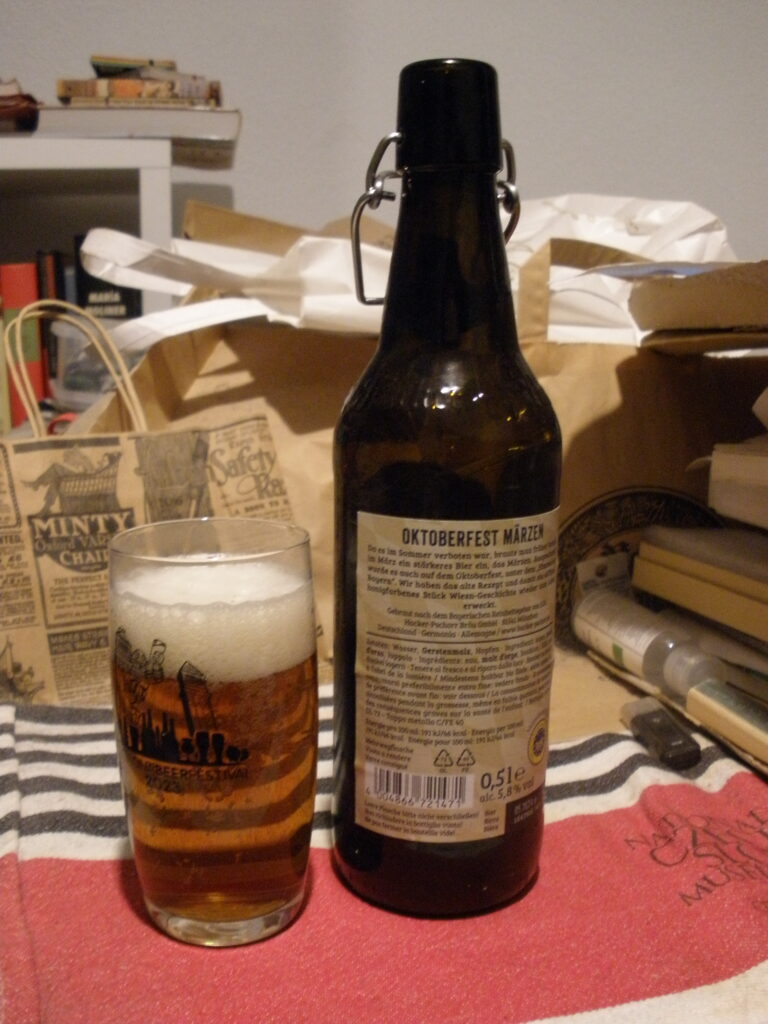
Second week, second beer. In alphabetical order it’s Hacker-Pschorr, with its traditional top and traditional style. You do come across the swing top on other beers occasionally, but Hacker-Pschorr proudly has them on all its beer products. The story of the Märzen is told on the back of the bottle, just in case you need a little light reading while waiting for friends or food. Unlike Augustiner, it’s always been a secular business, although sometimes it was actually two businesses (hence the hyphen). We can expect something heavenly to come out of that bottle, though.

The pop from the traditional top is satisfying and the opening itself is easy. The beer is coppery and heady with a strangely lemony aroma, mixed with some honey. A repeated sniffing also reveals fresh bread. As expected, it’s a step above the tostadas you can find in any old bar around here, malty in taste and velvety in feel. Although predominantly sweet, there’s a floor of bitter holding everything up. Although fluffier than Augustiner’s festbier, it whisks itself down the throat more quickly with a cleaner feel. And yet, there is some aftertaste, quite pleasant and surprisingly creamy. Strangely, I feel like I might be tasting a ghostly amount of Nutella, or some other hazelnut flavored treat. Maybe the ghosts of those tonka beans have finally shown up.

Supplier: Labirratorium
Price: €2.75

a+

  • por

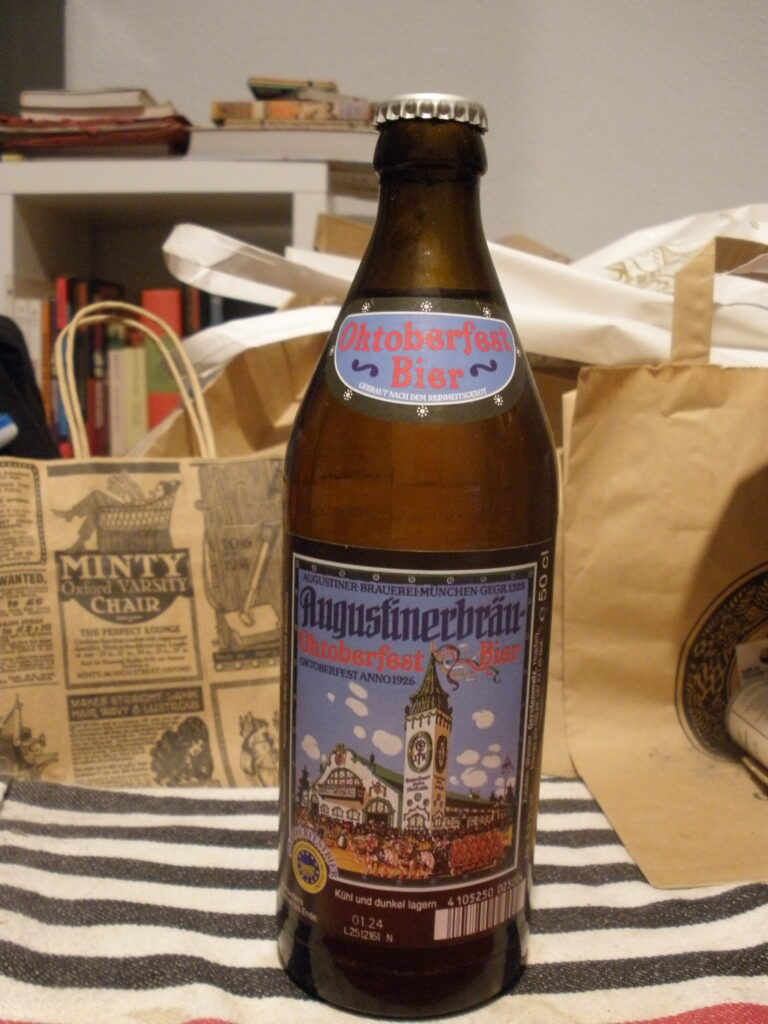
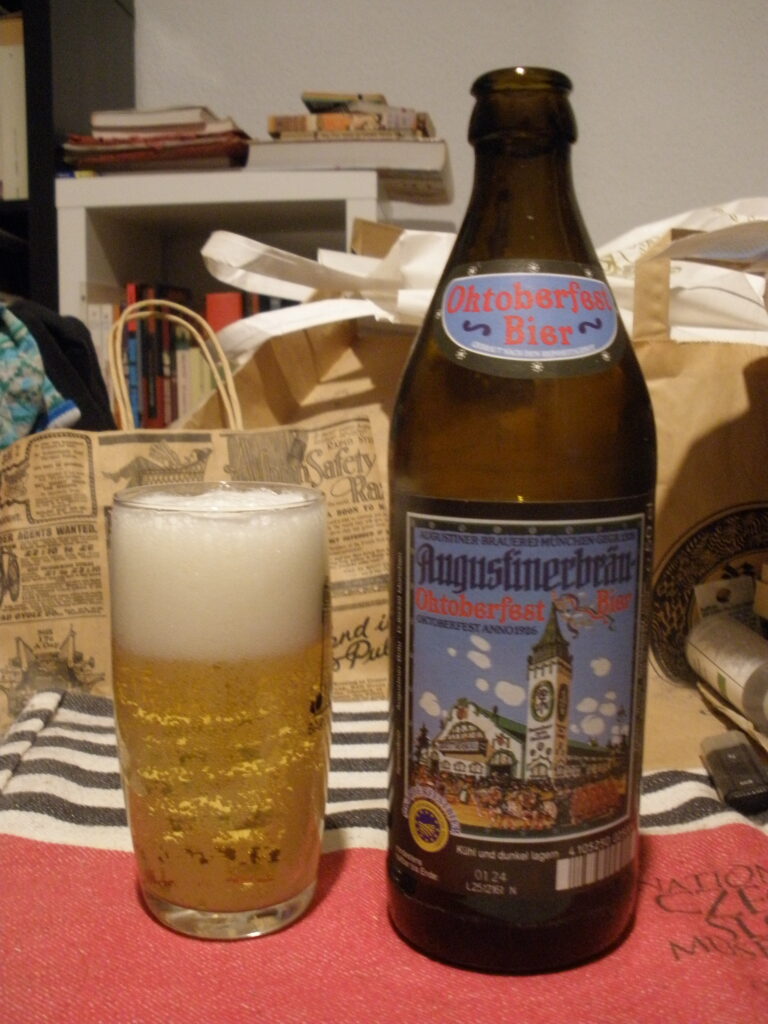
So now it’s fest-time, and the beers are flowing into the stores and the streets. There are multiple Oktoberfests organized in Madrid, although no Beermad this year, but I don’t feel much like elbowing my way through crowds right now. No, I would prefer a quiet heimfest, and I can do that with all six Oktoberfest beers! Let’s start with Augustiner, it’s easy enough to go alphabetically. Founded by monks, of course, but a privately owned brewery since the 19th century, Augustiner graces the Theresenwiese with no mere tent, but a beer castle. Deserving of such a royal presentation?

I may have slightly overchilled, what with all the collecting bubbles, but the resulting head is nice and the beer is a very clear light gold. It’s not very aromatic, just hints of straw and something kind of peppery. The flavor is pure lager, a little sweet and grainy, maybe even a touch of honey. The bubbles are a little prickly, but the beer itself is smooth. It’s a little heavier than the color might suggest, leaving a bit of a coating behind as it goes down. Although it’s not the light and easy pilsner that took over almost every beer drinker’s glass a century and a half or so ago, this golden festbier shines a light on a celebration of beerkind.

Supplier: Be Hoppy
Price: €2.95

a fitting name

  • por

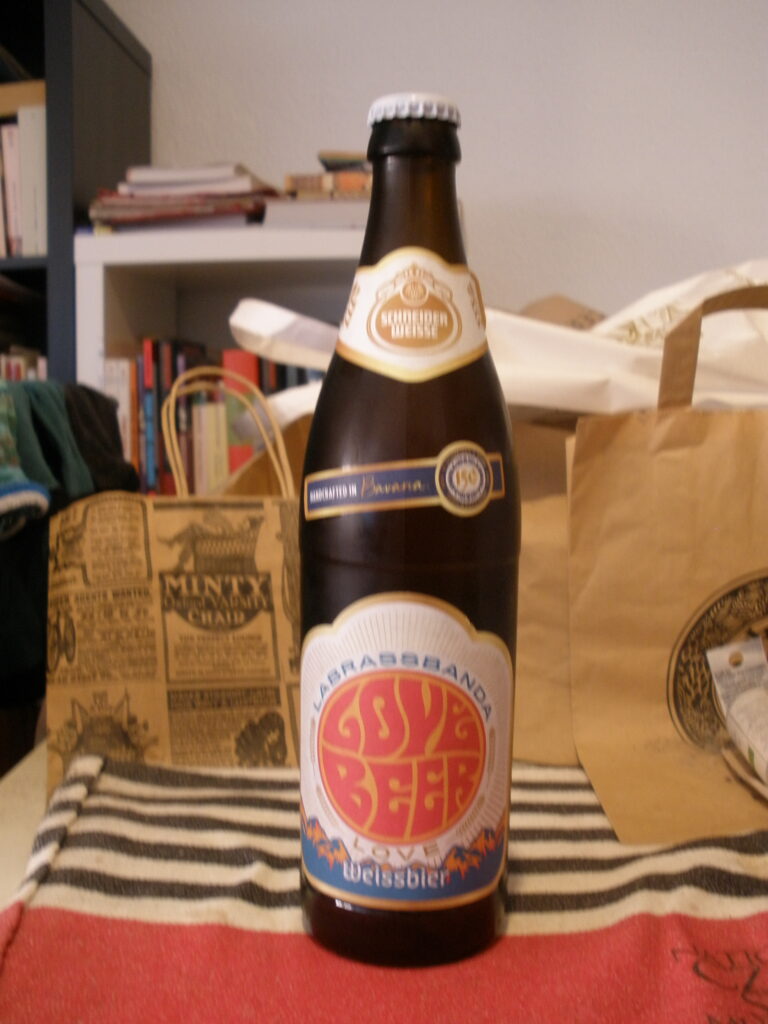
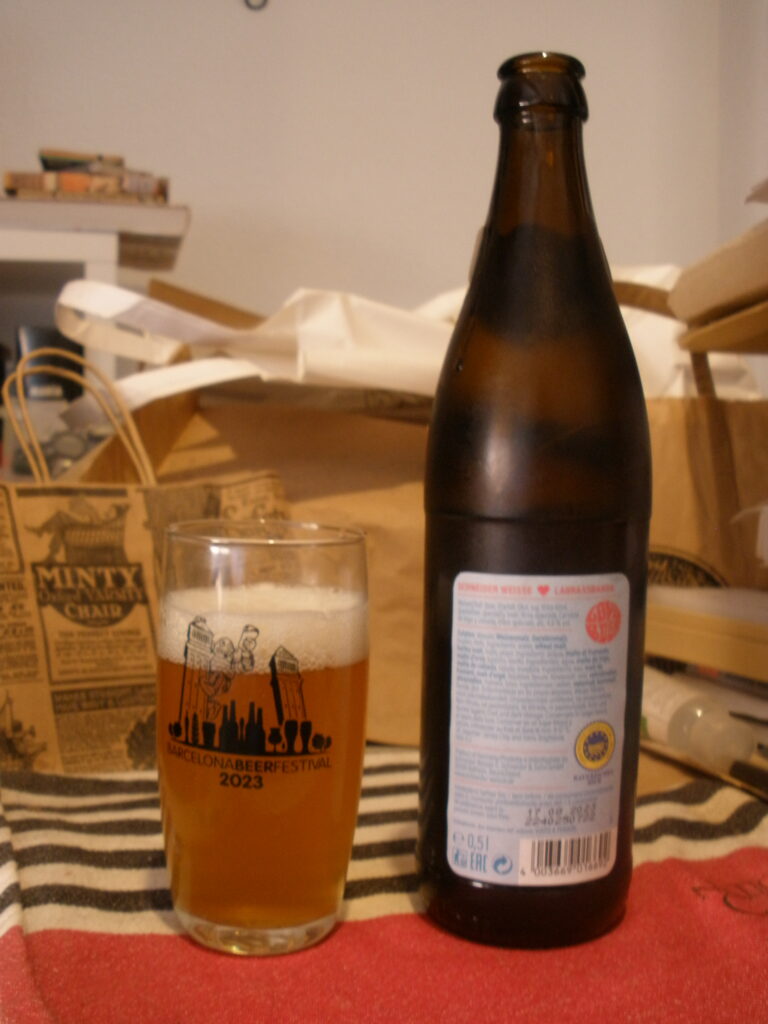
What kind of hellhole is developing? One that’s a little less infernal than last year’s, but uncomfortable nevertheless. It’s a good excuse to drift into the light lane, remember the most important influence on beer history, and enjoy a good German beer. Schneider Weisse is always a name to keep in mind, although not in the same craft category as, say, Ratsherrn or Frau Gruber. The beer is quality, the respect for tradition as well as innovation is present, and damn if that’s not a fine looking bottle!

It certainly looks the part in terms of color and head. It’s slightly cloudy, so definitely weissbier more than regular lager. It has the typical aroma of light German beers, with the grain and grass wafting up like from a Bavarian meadow. I detect a hint of something more sour-citric, a nod to modernity perhaps? Or just the way this weissbier is supposed to be. It’s more bitter and bitier than the aroma would lead you to believe, with that clean kind of bitter you expect from German and Czech beers. There’s lemon zest hiding in the undertones, getting more noticeable as an aftertaste. As much as I love a good black beer, there are times when you have to bow to the mastery of summer friendly weisses.

Supplier: Labirratorium
Price: €2.25

prost

  • por

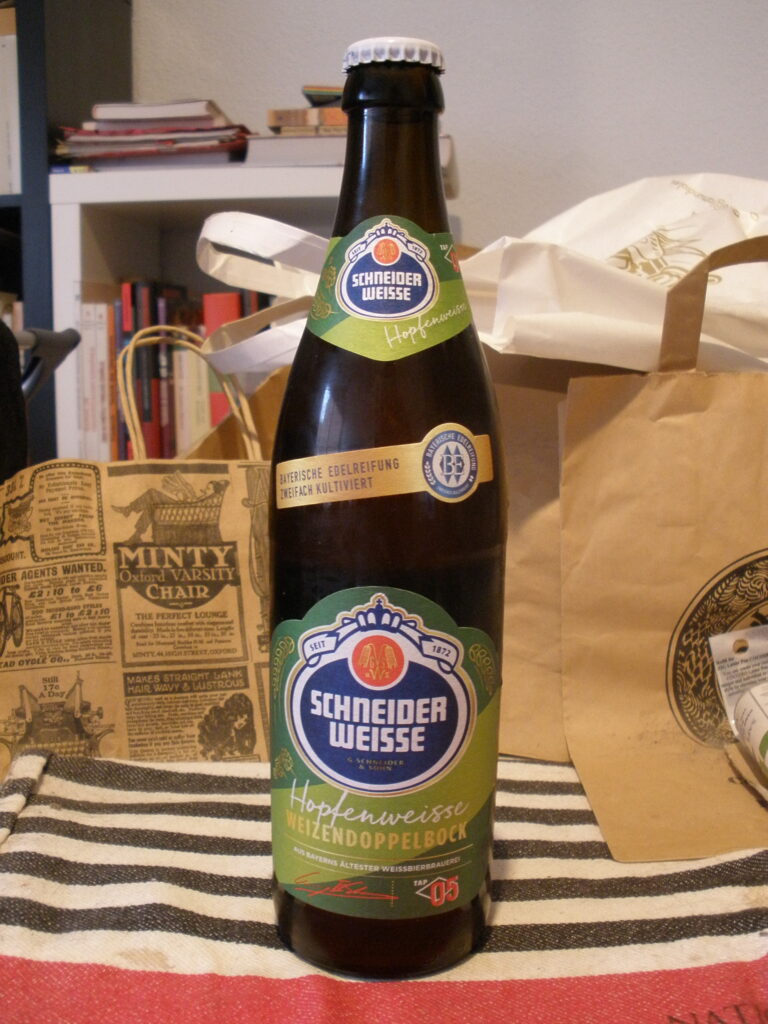
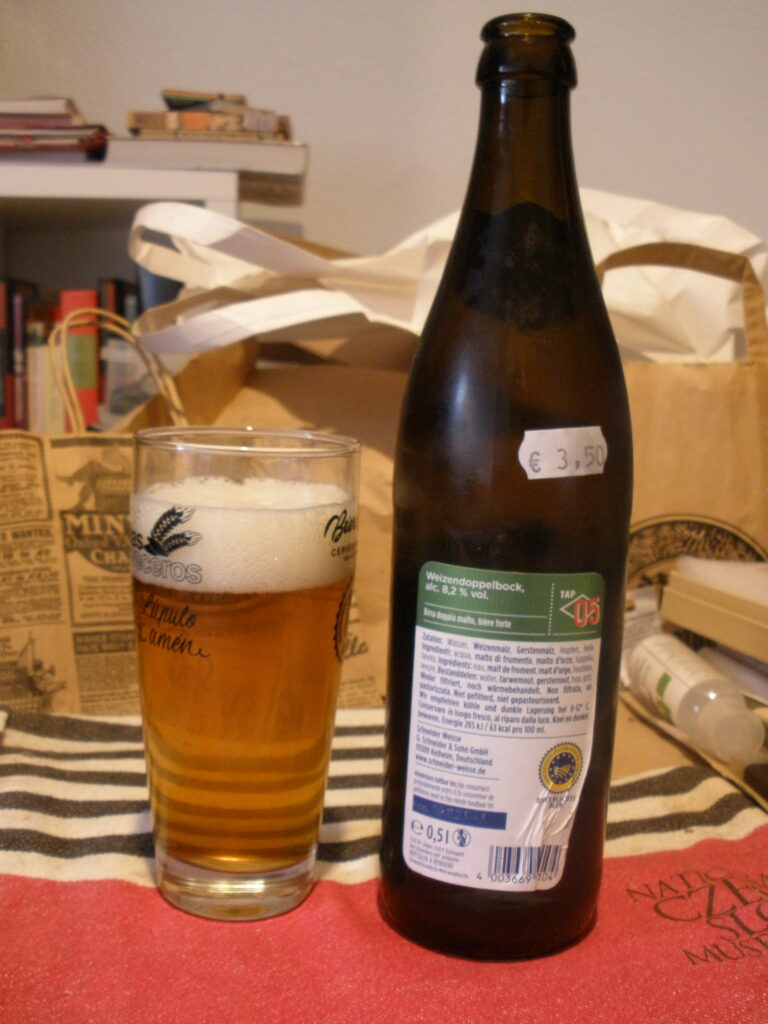
Hey, what’s that on the beer holiday calendar? (Where the hell is a good beer holiday calendar??) It’s German Beer Day! Germany has long had a special place in the beer drinker’s heart, as the home of high quality and drinkable beer, maybe not as fancy as Belgian, but trustworthy in its effects. Although there aren’t that many German craft beers floating around, some classics do make their way across the continent and populate the shelves of better stores. Schneider-Weisse is one that isn’t hard to find, and the weissbier style is right for the times…of excessive heat and dryness.

Although light and snappy looking, it delivers a thick malty aroma. The head is bubbly and controlled. The flavor is difficult to pin down – I get the dusty maltiness up front, but there’s a spiciness that I didn’t expect right beside it. The wheat is clear enough, and not that weird aftertaste some of the more commercial German ones have, but it also has a pretty strong essence of hops. It’s a pretty mouth-filling beer, which shouldn’t be a surprise from a doppelbock. In spite of that, it’s very soothing, with an almost medicinal flavor developing over time. There’s a much more bubbly texture than I’m used to from bock beers, but it’s not unwelcome. It has a satisfying modern feel along with a comforting whisper of tradition, and I think that’s what a lot of people would hope for when they look for a beer to celebrate on German Beer Day.

Supplier: Birra Y Paz
Price: €3.50

es_ESSpanish